
Success Stories of Property Managers Overcoming Burnout Through Technology and Specialized Roles
Property management is no easy feat. Between fielding tenant inquiries, coordinating maintenance requests, and ensuring timely rent collection, many property managers find themselves overwhelmed. Burnout in this profession is common, but it doesn’t have to be inevitable. The secret lies in leveraging the right tools and operational strategies to reduce stress and reclaim efficiency.
In this blog, we’ll explore real success stories of property managers who transformed their work lives by embracing centralized communication software and adopting specialized departmental roles. These approaches not only alleviated burnout but also set the stage for scalable and sustainable growth.
The Toll of Burnout on Property Managers
Burnout manifests as more than just physical exhaustion. For property managers, it often stems from juggling multiple hats: managing tenant relations, handling administrative tasks, resolving maintenance issues, and staying compliant with legal regulations. According to a survey by Property Management Insider, 78% of property managers report feeling overworked, with the majority citing "lack of clear systems" as the main culprit.
Real-Life Example: A Manager on the Brink of Burnout
Jessica, a residential property manager overseeing 120 units, struggled to stay on top of tenant communications. Emails were lost in cluttered inboxes, texts went unanswered, and phone calls felt endless. Her to-do list stretched beyond manageable limits, leaving her no time to focus on long-term strategies or even personal well-being.
Jessica’s story is far from unique. Many property managers face similar challenges. But by introducing centralized software and restructuring her team’s workflow, Jessica’s narrative took a dramatic turn.
The Role of Centralized Communication in Reducing Burnout
One of the most effective ways to combat burnout is by streamlining communication. Centralized property management software brings all communication (emails, texts, and calls) into a single platform, reducing chaos and improving organization.
Key Benefits of Centralized Software:
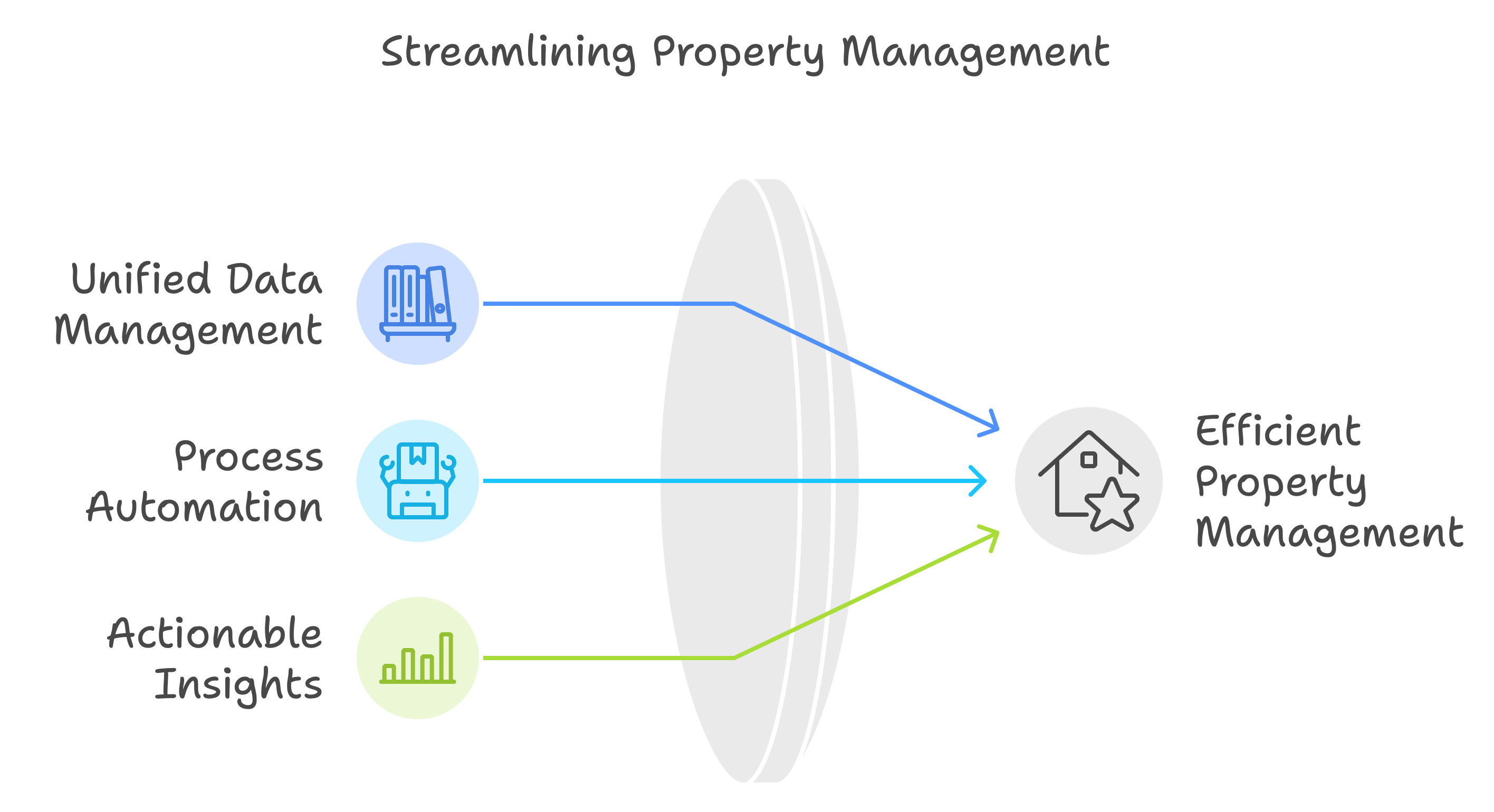
Unified Data Management
With all conversations stored in one location, it becomes easier to access tenant history, track inquiries, and monitor unresolved issues. This eliminates the need to sift through fragmented communication channels.
Process Automation
Advanced software can automate recurring tasks, such as sending rent reminders or scheduling maintenance. This reduces the mental load and frees up valuable time.
Actionable Insights
Centralized tools often provide analytics that highlight trends, such as recurring maintenance problems or delayed payments. Managers can act proactively rather than reactively.
Success Story: How Software Saved the Day
Jessica implemented a centralized property management tool that allowed her to launch processes directly from tenant inquiries. For example, a maintenance request received via text could immediately trigger a work order in the system, notifying the appropriate technician. Within weeks, her stress levels plummeted, and tenant satisfaction improved by 25%.
The Power of Specialization: Narrowing the Focus to Excel
Another transformative approach to reducing burnout involves restructuring team responsibilities. The traditional model often expects property managers to handle a wide range of duties, but this jack-of-all-trades approach is a recipe for stress and inefficiency.
By adopting a departmental style of property management, tasks are divided among team members with specialized roles. For example:
- Leasing agents handle tenant acquisition and lease renewals.
- Maintenance coordinators manage repairs and vendor relationships.
- Account specialists oversee rent collection and financial reporting.
Why Specialization Works:
Efficiency Through Expertise
Team members focus on one area of responsibility, allowing them to become experts and work more efficiently.
Reduced Cognitive Load
Narrowing the scope of tasks means fewer mental shifts between unrelated responsibilities, reducing fatigue.
Improved Quality of Service
With specialized roles, tenants and property owners receive faster, more accurate responses.
Real-Life Transformation: From Chaos to Clarity
A mid-sized property management company in Regina, Canada, transitioned to a departmental structure after noticing high turnover rates among their team. Instead of assigning all tasks to individual managers, they divided responsibilities. The result? Employee retention improved by 40%, and the company expanded their portfolio by 30% within a year.
Integrating Centralized Software with Specialized Roles
The true magic happens when centralized software and specialized roles work hand in hand. A maintenance coordinator, for instance, can use the software to track and manage work orders without being bogged down by unrelated tenant inquiries. Similarly, leasing agents can schedule viewings or handle applications directly from the platform, eliminating inefficiencies.
Expert Insight: Why This Combo Works
"Centralized communication software provides the structure, and specialized roles provide the focus. Together, they create a system where nothing falls through the cracks, and everyone works smarter, not harder."
Chris Doyle, Property Management Consultant
Practical Steps to Implement These Changes
Evaluate Your Current System
Audit your workflow to identify bottlenecks and inefficiencies. Are you losing track of communications? Are tasks piling up because your team is stretched too thin?
Choose the Right Software
Look for tools that integrate communication, task management, and process automation. Popular options include AppFolio, Buildium, and Propertyware.
Redefine Roles
Assess your team’s strengths and restructure roles to align with specialized tasks. Start with small changes and scale as you see results.
Invest in Training
Both software adoption and role specialization require training. Ensure your team is equipped to maximize these tools and strategies.
Monitor and Adjust
Track metrics such as tenant satisfaction, team workload, and response times. Use this data to refine your approach continuously.
Conclusion: A Path to Sustainable Success
The stories of Jessica and others prove that burnout is not an unavoidable fate for property managers. By embracing centralized communication software and adopting a departmental management style, professionals can not only reclaim their time and energy but also deliver exceptional service.
If you’re ready to take the first step toward a more balanced and efficient property management experience, consider integrating these strategies today. Burnout doesn’t have to define your journey. Success can.
Call to Action:
Explore how GoodDoors Property Management uses these tools and strategies to transform operations. Contact us today to learn more!