
Investing in and leasing rental properties is a big leap of faith. The process entails a significant degree of responsibility.
When it comes down to it, it's a business, one which every landlord hopes will develop into a profitable and secure investment. You'll be able to pay off your mortgage if you effectively rent out your property. You'll also build equity and enjoy a consistent monthly income.
However, coverting your home into a rental and being a landlord can be a demanding task in which you’ll undoubtedly face numerous problems and only have room for a few errors.
Therefore, knowing how to be a good Regina landlord requires a thorough understanding of the rental market and the appropriate resources.
The good news is that you can take steps to prepare for these obstacles. As the leading property management company in Regina, SK, we’ve compiled a few tips to help you protect your investment.
For a first-time landlord, there is a lot to learn. Here are a few ideas that will help you get started:
Last updated: March 2026.Quick answer (2026)
Becoming a landlord in Regina starts with screening tenants well and setting clear rules. New landlords keep vacancies low by pricing rents right in a 2.7% vacancy market. GoodDoors helps with remote management for relocating owners.
1. Research Fair Housing Laws
Landlords need to follow federal, provincial, and local regulations. For new landlords, failing to understand the fair housing regulations can be an expensive error.
According to the Saskatchewan Human Rights Code, discriminating against an individual and refusing to offer them housing due to their race, sex, and other factors is illegal.
To maintain your reputation and avoid future legal issues, do your research on the various housing rules. You could also seek legal advice from an attorney or your property management company.
2. Consider Your Rental Property as a Business

Even if it’s not your primary source of income, you must handle your rental property like a business, especially with regard to your income stream and taxes. A landlord must be hands-on, and stay in-the-know regarding their property.
You can be required to devote time and attention to it. Remember that in order to run a successful business; you must anticipate challenges. As a result, one approach to achieve this is through proper maintenance.
Inspect your property before renting it out to make sure it's habitable. Be prepared to invest in upkeep and repairs.
3. Use a Property Management Software
Managing a rental comes with a lot of responsibilities. Without a property manager, these tasks can become time-consuming.
Fortunately, property management software programs have simplified the process of advertising your rental, finding excellent tenants, screening them, collecting rent, handling security deposits, and more.
4. Determine a Fair Rent Price
Your rent price is a big determining factor for interested tenants. While conserving your investment is important, it's also essential to calculate a fair market rate based on comparable rentals in the region.
This ensures that you’ll find tenants who can afford your property and lowers the likelihood of risky extended vacancies. To find a rent price, look at nearby properties with similar qualities.
You can start advertising your residential property online to discover possible tenants once you've settled on a rent price that you're happy with.
5. Know the Importance of Good Advertising
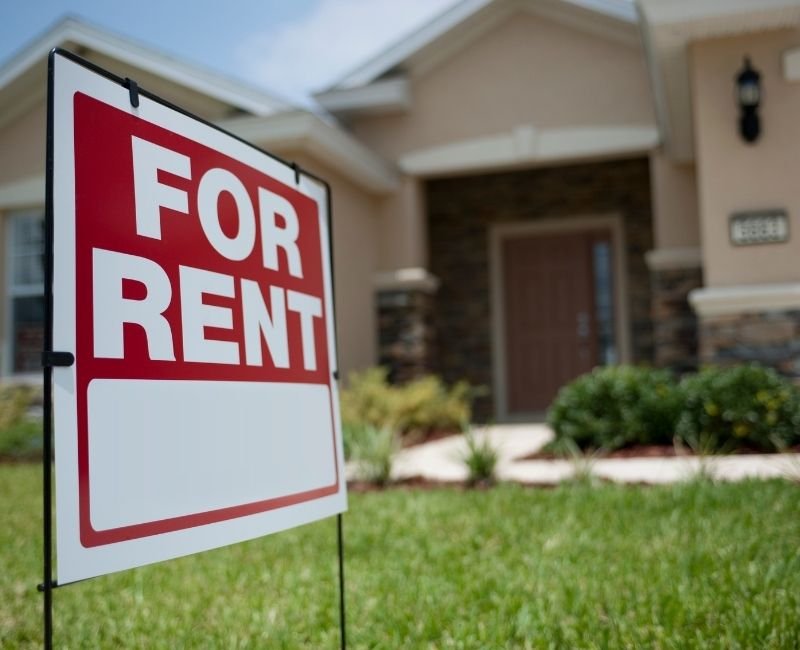
To get rental leads and have a good list of prospective tenants to choose from, you'll need to advertise your rental property on multiple platforms.
Because most tenants look for their next apartment online, it's critical that you use online listing services to get as many eyes as possible on your vacancy.
In addition, you'll want to write a few phrases about the unit, including the address, tenancy length, rent fee, and include some appealing photos when you market your rental.
6. Screen Tenants Thoroughly
You'll want to start the tenant vetting process once you've acquired enough leads. It's good practice to include credit, background, and eviction checks in addition to having tenants fill out an online rental application.
Certain legal provisions restrict how much you can screen potential tenants, so do your homework before including this in your application.
7. Make Sure You Follow the Rules
As a landlord, it's your job to ensure that you follow all the rules of the lease. In addition to what you and your tenant agree to in the lease, you’ll also need to abide by Saskatchewan landlord-tenant laws.
Also, remember to enforce the rules that your tenant agrees to. Your business and monthly revenue will suffer if you are overly lenient and don't enforce the rules.
8. Consider Allowing Pets
You'll likely attract more tenants if you make your property pet-friendly. This is because the majority of tenants in Canada have dogs or cats.

Allowing tenants with pets is a calculated risk. Poorly trained or neglected pets can cause property damages, so you need to weigh the pros and cons.
If you decide to allow tenants with pets, you could ask for a pet deposit to limit the risks.
9. Use Digital Rent Collection Methods
Rent payments are how you make money running a rental. Thus, collecting rent is essential as a landlord.
Automatic this task and allowing tenants to pay online saves you time and also protects you from bounced checks and late payments.
In addition, since digital payments are constantly logged with an exact date, there will be no disagreements about payment deadlines.
Conclusion: Tips for New Landlords
Being a first-time landlord has its drawbacks. While one may argue that experience is the best teacher, some mistakes can be costly; not only from a financial perspective, but also from a legal angle.
Most first-time landlords in this province did not choose the job. Of the 275 owner conversations GoodDoors reviewed between May 2025 and July 2026, 103 were people who had never rented out a property before, and the trigger was usually a relocation or a parent's house rather than an investment plan. If that is you, the accidental landlord's guide to Saskatchewan walks the whole thing from the decision through the first 90 days.
That’s why so many Regina landlords rely on the best property management company in the area: GoodDoors Property Management. We manage rentals for owners who believe in prioritizing their property’s performance.
If you want to turn your rental property into a long-term investment, get in touch with us today and learn about our effective services!
What's new in 2026
Regina's average home prices rose to $346,000 in 2025 and will increase 2% more in 2026 amid low inventory.[1] City mill rates jump 10.9% in 2026, adding $38.70 monthly to average household costs.[2] Rental vacancy holds steady at 2.7% per CMHC report.[4]
Frequently Asked Questions
What is Regina rental vacancy rate in 2026?
CMHC reports 2.7% vacancy rate in Regina. This matches last year with no big change. Stable market helps landlords fill units fast.[4]
How much did Regina home prices rise to 2026?
Average sale price hit $346,000 in 2025, up 6% from 2024. Expect 2% more rise in 2026. Low inventory drives demand.[1]
What is the 2026 mill rate increase in Regina?
Regina Council approved 10.9% mill rate hike for 2026. Adds $38.70 per month for average homes. Covers police, fire, and roads.[2]
Can new landlords expect steady sales in Regina?
Sales stay flat in 2026 after 1.9% drop in 2025. Listings up 2%. Single homes lead demand from buyers.[1]
Are there new rules for landlords with senior tenants?
Province paused plans to move seniors from public housing at 65. Review follows backlash in Regina. Private landlords face no change.[3][5]
What landlords often get wrong
Many think Regina's rental market is tightening fast. CMHC data shows vacancy stable at 2.7%, easing toward balance.[4]