
Whether you're a part-time or full-time landlord, it's important to get your property ready to rent!
The answer differs from property to property. This includes renovations or repairs made to the interior and exterior of the property.
So, to help landlords understand how to get their properties ready to rent and avoid mistakes, the team from GoodDoors Property Management has put together this article:
Add Curb Appeal

If you have experience as a landlord, you will agree that potential renters tend to base a lot of their decision on their first impression of the property. So, how your property looks on the outside will determine whether the prospective tenant will be interested in the interior's finishes and fittings.
When it comes to curb appeal, consider the following:
- Landscaping: Having a green, outdoor space works in your favor as it can set you apart from the competition. Take it to the next level with trimmed bushes and grass.
- Remove Debris and Trash: A tenant cannot envision themselves renting out a space that is filled with debris and trash. You could organize a yard sale or simply throw away the excess household items.
Perform a Thorough Inspection
Start from the front door of the rental property. Choose a wall and move along it, taking note of possible defects to the paint, wall, fittings, and appliances.
You want every aspect of the property to look right for a possible tenant. As you follow the wall, you should inspect every room and find your way back to where you started.
While you are assessing your rental property, pay close attention to the following:
- Electrical outlets
- Condition of the blinds and curtains
- The security of the windows and sliding doors
- The possibility of cracks or fissures in the walls or window frames
- Holes and scratches
- Test all the taps, faucets, and also the electrical appliances, e.g. the dishwasher, cooker, microwave, and garbage disposal
Consolidate Your Repairs
Part of getting a property rent ready is ensuring everything is property repaired and maintained quickly. So, it is in your best interests to spend the shortest time making repairs to the rental space and keeping it full of qualified tenants.
This means consolidating all your repair needs so that the contractors can make one conclusive trip to your property.
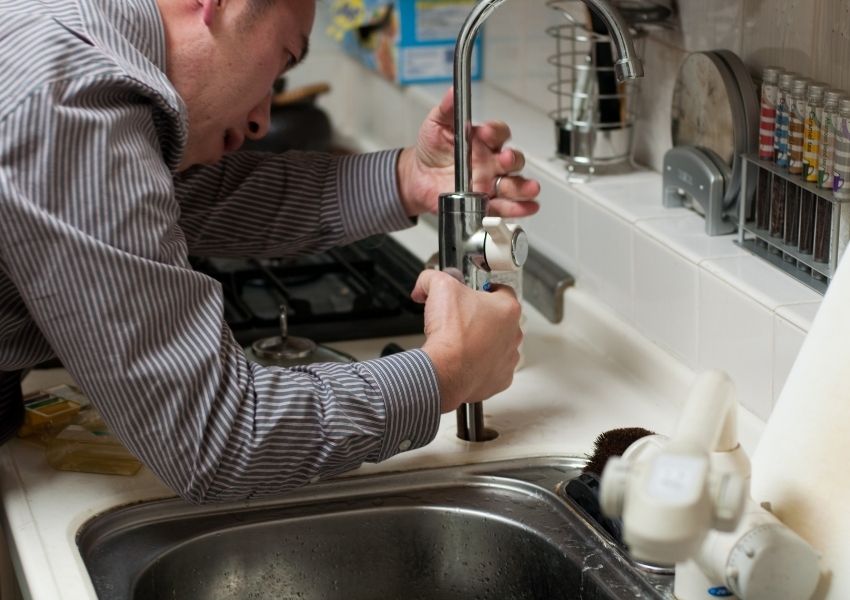
Doing it Yourself
Do you have what it takes to carry out the repairs and upgrades identified on your rental property?
If so, head over to the nearest DIY store, procure the items you need, and start the repairs to your property. Doing the repairs yourself is also a great way to build a better landlord-tenant relationship by showing you really care for the property.
But from our experience in the management of property in Saskatchewan, most property owners lack the experience and expertise to perform repairs to their houses. So, never underestimate the effect of quality workmanship on your property.
If you have any doubts, it's a good idea to contact a property management company or respected tradesperson to complete the repairs.
Replace Old Appliances
There may be an appliance on your property that often needs to be repaired. But rather than keep maintaining the item, we recommend that you purchase a new one.
While it might look like a larger cost, the purchase is actually an investment as you will have saved on maintenance costs, and you will also be able to charge a higher rental income.
Clean the Property
A part of the renter-ready process is a clean and dust-free rental space. To appeal to a potential renter and keep them happy, it is best if every inch of the property is clean of grime and dirt.
Don't have the time? Consider the services of a professional cleaning crew.

Mold-inspection
When was the last time you inspected your property for mold?
If the question caught you by surprise? You wouldn't be the only one.
Many property owners forget that the presence of mold can be a health hazard to renters with respiratory issues, its best to clean the mold as soon as you find it. As you perform your thorough inspection, be on the lookout for mold in such areas.
Setting the Right Rental Price
One of the most important decisions you will make before listing your property is determining the monthly rent. Price it too high and you risk extended vacancies. Price it too low and you leave money on the table, and may attract tenants who are less committed to a long-term stay.
Here is how to arrive at a competitive and profitable rental price:
Research the Local Market
Start by reviewing current listings for comparable properties in your area. Look at properties with similar square footage, number of bedrooms and bathrooms, and amenities. In Regina and Saskatoon, rental rates can vary significantly by neighbourhood, so focus on comparables within a few blocks of your property when possible.
Key sources for market data include Kijiji, RentFaster, Facebook Marketplace, and the Canada Mortgage and Housing Corporation (CMHC) annual Rental Market Report for Saskatchewan. The CMHC report provides average rents by unit type and city, which serves as a useful benchmark.
Factor In Your Costs
Your rental price needs to cover, at minimum, your mortgage payment, property taxes, insurance, maintenance reserves, and any property management fees. If the market rate does not cover your costs, that is important information: it may mean you need to invest in upgrades to justify a higher rent, or it may indicate the property is not well suited to the current rental market.
Account for Upgrades and Amenities
Properties with in-suite laundry, updated kitchens, air conditioning, or dedicated parking can command higher rents. If you have invested in improvements as part of your rent-ready process, make sure the asking price reflects that added value.
Understanding the Regina and Saskatoon Rental Markets
Saskatchewan's two largest cities have distinct rental dynamics, and understanding them helps you position your property effectively.
Regina
Regina's rental market tends to be influenced by government employment and the energy sector. Vacancy rates have fluctuated over the past decade, and landlords should pay attention to seasonal trends: demand often picks up in late spring and summer as tenants relocate for work or school.
Saskatoon
Saskatoon's rental market is driven by the University of Saskatchewan, healthcare sector employment, and the technology corridor. Student-oriented properties near the university see strong demand from August through October, while family-oriented rentals in established neighbourhoods maintain more consistent year-round occupancy.
In both cities, the overall trend has been toward tighter vacancy rates, which benefits landlords, but also means tenants have higher expectations for property condition and responsiveness to maintenance requests.
For a detailed look at what GoodDoors offers in Saskatoon, visit our Saskatoon property management page.
Insurance Requirements: Landlord vs Tenant
Before listing your property, make sure you have the right insurance in place. Many landlords are surprised to learn that their standard homeowner's policy does not cover a rental property.
Landlord Insurance
A landlord insurance policy (sometimes called a rental property policy) covers the building structure, liability for injuries on the property, and loss of rental income if the property becomes uninhabitable due to a covered event (fire, flood, etc.). This is separate from, and typically more expensive than, a standard homeowner's policy.
Key coverages to confirm with your insurer:
- Property damage: Fire, water, vandalism, and weather-related damage to the structure.
- Liability: Protection if a tenant or visitor is injured on the property and files a claim.
- Loss of rental income: Coverage for lost rent if the property cannot be occupied during repairs.
- Legal costs: Some policies cover legal expenses related to tenant disputes, though this varies.
Tenant Insurance
While you cannot legally require tenants to purchase renter's insurance in Saskatchewan, you can strongly encourage it, and you can include a clause in the lease agreement recommending it. Tenant insurance covers the tenant's personal belongings, provides liability coverage (e.g., if they accidentally cause a fire), and is typically very affordable ($20-$40 per month).
Many landlords include information about tenant insurance in their welcome package. It protects the tenant and, indirectly, reduces the landlord's exposure to claims.
Ensuring Legal Compliance Before Listing
Before you place a single advertisement, confirm that your property meets all legal requirements under The Residential Tenancies Act, 2006 and local municipal bylaws.
- Safety standards: Smoke detectors and carbon monoxide detectors must be installed and functional. In Saskatchewan, this is a legal requirement, not a suggestion.
- Building codes: If you have converted a single-family home into a multi-unit rental, confirm that the conversion meets municipal zoning and building code requirements. Unauthorized conversions can result in fines and orders to vacate.
- Health and safety: Ensure the property meets habitability standards: functioning heating, plumbing, electrical, and no hazards such as exposed wiring, structural deficiencies, or pest infestations.
- Security deposits: Understand the rules around collecting and storing security deposits before your first tenant moves in. The maximum deposit in Saskatchewan is one month's rent, and it must be held in trust.
Marketing Your Rental Property
Once your property is rent-ready, you need to get it in front of qualified tenants. Effective marketing reduces vacancy time and helps attract the type of tenant who will care for your property.
Photography
High-quality photos are the single most important element of a rental listing. Use natural light, photograph every room, and include exterior shots. Avoid using wide-angle lenses that distort room sizes: tenants who feel misled by photos will not become happy long-term renters.
Listing Platforms
In Saskatchewan, the most effective rental listing platforms include:
- Kijiji: Still the dominant platform for rental listings in Regina and Saskatoon.
- Facebook Marketplace: Increasingly popular, particularly for younger renters.
- RentFaster: A dedicated rental platform with strong presence in Western Canada.
- Zumper / PadMapper: Aggregators that pull from multiple sources.
Listing Description
Write a clear, honest description that highlights the property's strengths without exaggerating. Include the rent amount, included utilities (if any), pet policy, parking availability, laundry facilities, and move-in date. Mention the neighbourhood and proximity to transit, schools, or shopping.
Pre-Rental Checklist
Before you hand over the keys, run through this final checklist to confirm your property is truly ready:
- [ ] All repairs completed and inspected
- [ ] Property professionally cleaned (or cleaned to a professional standard)
- [ ] Smoke and carbon monoxide detectors tested
- [ ] All locks changed since the previous tenant
- [ ] Appliances tested and in working order
- [ ] Landscaping maintained (lawn mowed, walkways clear)
- [ ] Move-in condition report prepared with dated photos
- [ ] Lease agreement prepared and reviewed
- [ ] Security deposit process documented
- [ ] Landlord insurance policy confirmed and current
- [ ] Utility accounts transferred or set up for new tenant
- [ ] Welcome package prepared (emergency contacts, maintenance request process, waste collection schedule)
Bottom Line
When your property is rent-ready, you reduce your vacancy time, place better quality tenants, and earn more money from your rental.
There may be some landlords without the time, resources, or experience to handle repairs to their rentals. Who better to handle the repairs of your rental than the leading property management company in Regina, SK?
GoodDoors Property Management is a full-service property management company, known for its accountability, transparency, and quality customer services. Our clients can attest to our comprehensive property solutions that maintain the property in good condition and enhance the value of their investment. Get in touch with us today and receive a quote for our SK property management services. Disclaimer: This blog is not a substitute for professional legal advice. Laws and regulations may change. For specific guidance, consult a qualified legal professional or an experienced property management company like GoodDoors Property Management.