

Quick answer (2026)
Property managers handle tenant relations, rent collection, maintenance coordination, financial reporting, and legal compliance on behalf of landlords. In Saskatchewan, they ensure properties meet the Residential Tenancies Act standards while protecting owners from costly mistakes in evictions, security deposits, and fair housing compliance.
Responsibilities of a Property Manager
Are you a self-managing landlord? Have you been thinking of creating more time for yourself? Perhaps you’re curious about what property managers do. Should you hire one?
These are all understandable questions in the world of rental management. Luckily, we’ve provided you with an overview to help!
Defining a Property Manager
A property manager can be either an individual or company tasked with managing the operations of rental properties. Not all property managers work independently. However, their job is always to ensure that everything is running smoothly, from marketing a vacant rental to dealing with complaints to attending to investment property repairs. At the end of the day, a good property manager ensures that the rental will earn a profit for the property owner.
Here are more specific duties property management companies perform:
1. Collecting Rent
A good property manager will collect the rent on your behalf. If you always find yourself chasing after renters for rent payments, it’s more convenient to hire a property manager. They may even have a software system for more efficient rent collection.
If your tenant skips a rent payment, a property manager can enforce the rent payment conditions. They’ll make sure late fees are collected for overdue rents.
Property managers also deal with rent price adjustment. If there are market changes, such as your location having an increased demand, then they’ll increase the rent rate.
2. Attracting Renters
A good property manager will apply advertising techniques so your vacant rental units will attract more prospective renters. They’ll stage the property and schedule property showings. They also handle inquiries and provide feedback.

Marketing skills and a large network base are needed to get your rental unit occupied. A property manager often has both to ensure zero vacancies. They can use online or offline strategies to create strong interest.
The responsibilities of a property manager also include crafting property listings, taking professional photos and distributing flyers. They strategize to earn more exposure for your rental property.
3. Screening Tenants
Property manager duties include assessing the prospective tenants’ suitability for your investment property. They’ll ask for documents for proof that an applicant can meet the monthly rent dues. Typically, pay stubs, bank statements and employment certificates are required to be submitted.
They also run credit checks to see if an applicant is a high risk or solvent. They avoid those with bankruptcy and eviction records. A property manager also takes the time to review a prospective renter’s rental history background. One way to do this, for example, is by calling the references provided by the applicant.
While conducting the tenant screening, property managers adhere to the Fair Housing Act. They make sure that discrimination is avoided and everyone is given an equal opportunity to rent the property.
4. Maintenance and Repairs
Property managers are very conscious of keeping the investment property habitable for renters. Provincial laws actually hold landlords and rental managers to the implied warranty of habitability. This means that the rental should be sanitary, livable and safe.
If renters submit maintenance requests for repairs, a property manager sees to it that the damages are fixed. They also keep up with preventive maintenance and regular inspections for properties.
If renovations and rental improvements are conducted, a property manager supervises the projects to make sure all is in order.

5. Learning and Applying Landlord-Tenant Laws
Property managers carry many responsibilities and are expected to know more about the landlord-tenant laws. They must be well informed when it comes to breaking leases, evictions, collecting security deposits and following the warranty of habitability.
It’s important to adhere to the provincial laws when it comes to maintaining the property and dealing with tenants. This prevents conflicts that can lead to lawsuits. It also protects the tenants from harm.
Aside from that, renters have certain rights one has to be aware of. For example, there’s an implied covenant of quiet enjoyment. This means renters have a right to live in peace and have their privacy respected.
6. Managing Budgets
Property managers are responsible for handling the budget well. They hire repair people and purchase required items for replacement. They also take care of rental improvements.
Often, property owners have repair and emergency funds. It’s left up to the property manager’s discretion how they’ll spend the budget. Work repair orders are the usual expenses for properties.
They present receipts to show the maintenance expenses. This keeps them accountable to the set budget. Most of the time, property owners save a lot from the discounts available to property managers that are offered by their network. It’s a bonus if a property manager has an in-house maintenance team of contractors.
7. Maintaining Financial Records
Property managers are also expected to keep organized records. They have copies of the signed leases, receipts from rental expenses and utility bill payments.
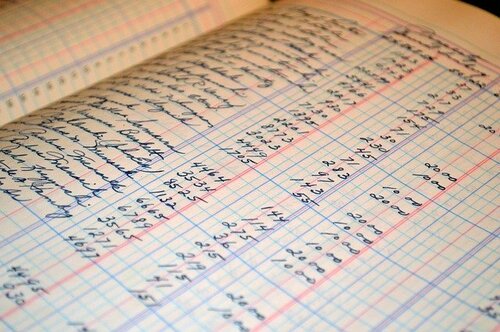
Property owners normally expect to receive monthly statements to check the rent payment of tenants. Their rental manager provides financial reports for proper accounting.
During tax season, property managers also help the owners submit accurate tax reports.
8. Managing Tenant Complaints
Rental managers represent the property owners. If tenants have complaints, they’re the ones tasked to resolve the issue and provide effective solutions. They do this to ensure tenants are happy and will stay for the long-term.
If tenants have conflicts with each other, rental managers will act as mediators. They’ll set up a meeting, listen to both sides and fix the problem. As much as possible, they seek to eliminate friction and provide a harmonious environment for all tenants.
It’s inevitable to face tenant complaints and conflicts when managing a rental. Good rental managers are skilled in providing excellent customer service. They usually have contingency plans and ready solutions, given their management experience.
Bottom line
Property managers handle several responsibilities and are equipped to do so. They usually have amazing communication skills and a high level of organization. They’re experienced in dealing with people. Their interactions include tenants, contractors, vendors and property owners.
Hiring rental managers will take a huge load off your shoulders. You earn extra time and can focus your attention elsewhere. The stress of upkeeping properties is also reduced as you don’t have to rush around responding to tenant repair requests. Best of all, as a real estate investor, you earn regular income as a property management company will strive to keep your rental unit occupied and retain your tenants.
Consider hiring the services of a property management company like GoodDoors Property Management to enjoy these benefits!
Frequently Asked Questions
What are the core duties of a property manager in Saskatchewan?
Property managers handle 5 main areas: tenant relations (screening, leasing, complaints), property maintenance (repairs, inspections, vendor coordination), rent collection and financial management, legal compliance with the Residential Tenancies Act, and administrative tasks (record-keeping, lease documentation). They act as the landlord's on-site representative and decision-maker.
How do property managers handle security deposits in Saskatchewan?
Property managers must maintain separate trust accounts for tenant deposits (a legal requirement), return deposits within 30 days of lease end with itemized deduction lists, and document all deductions carefully. Improper deposit handling is one of the most common sources of landlord-tenant disputes.
What maintenance and inspection responsibilities do property managers have?
They coordinate routine repairs and emergency maintenance, schedule regular property inspections to identify issues early, maintain detailed records of all work completed, and ensure common areas (hallways, lobbies, grounds) meet municipal and provincial standards. This proactive approach prevents tenant claims and preserves property value.
How do property managers ensure legal compliance in Saskatchewan?
They ensure all leases comply with the Residential Tenancies Act, handle evictions using strict legal procedures, maintain detailed records of tenant screening and decisions to prevent discrimination claims, and stay current with local bylaws. Mistakes here can invalidate the entire eviction process and cost months of lost rent.
What financial reporting do property managers provide to landlords?
Property managers provide monthly owner statements showing all rent collected, expenses paid, and net disbursement. They handle rent collection (including late fees), pay property taxes and insurance, maintain separate accounting for trust accounts, and track operating expenses. This transparency protects both owner and manager in disputes.
What landlords often get wrong
Many new landlords think property management is mainly about collecting rent. In reality, the role spans legal compliance, tenant screening, maintenance coordination, and financial recordkeeping. Missing any one area exposes owners to significant liability and lost income.