A rental property is a long-term investment. The same way you ensure all your investments are operating optimally, your rental property should not be left out lest it will not measure up to its lifetime.
Routine inspections of the rental property during an active lease helps to ensure it is maintained. During those random inspections, you have the opportunity to discover and rectify minor maintenance and repairs problems before they can escalate.
As a result, your tenants will be satisfied and renew their leases when they are due. Although regular inspections are beneficial, they disrupt a tenant’s life. So, how frequently should they be conducted?
We at GoodDoors Property Management would like to offer our advice on the matter.
Last updated: March 2026.Quick answer (2026)
Regular apartment inspections protect your property and catch problems early. In Saskatchewan, landlords should inspect vacant units before new tenants move in, and occupied units at least annually with proper notice.
When to Inspect a Rental Property
Every landlord has the right to access and inspect their rental property and its a vital part of being rent ready. But signing a lease agreement grants the tenant certain rights. These include the right to privacy, freedom from disturbance, and the right to quiet enjoyment of the rented premises.
Frequent inspections go against the tenant’s right to enjoy the residence quietly. Violation of this right could result in the tenant discontinuing the payment of their monthly rent and terminating the lease at their will.
There are some crucial periods between a tenancy where a landlord can schedule a property inspection without violating the tenants’ rights.
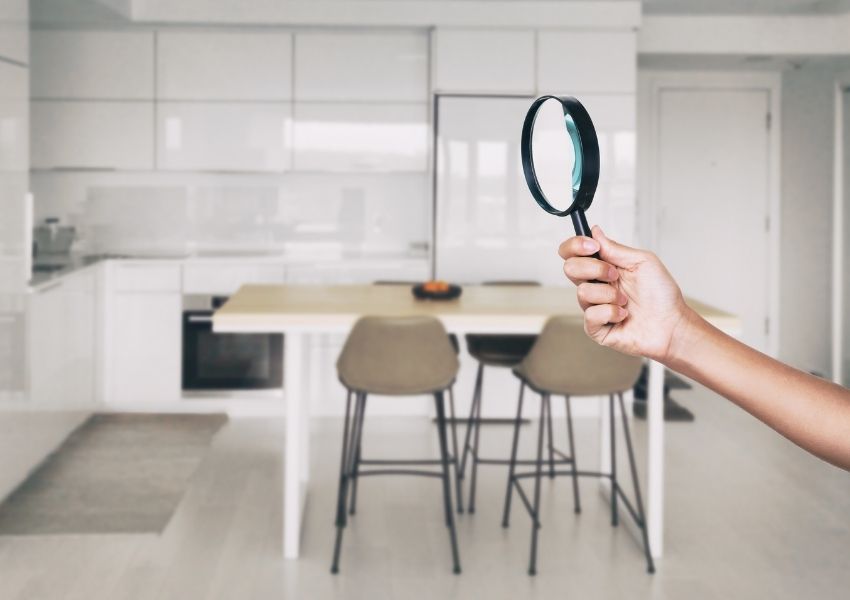
At Move-in or Move-Out
Before a tenant moves into your property and after screening, it should be inspected. During this time, you can confirm the property’s original condition.
When the tenants are moving-in, prepare a checklist with all the property's fixtures, fittings, and amenities. Note each item on your checklists condition before moving in and file the form until they move out.
Use this same checklist to confirm any damages attributable to tenant abuse or neglect during the term of the lease. The tenant’s security deposit should cover the costs incurred in fixing the damages. However, beware of normal wear and tear as you inspect the property during move-out.
It’s a good idea to inform your tenants up front when you will carry out the inspections so that they know when to expect you and when to resolve any issues by.

When Checking for Illegal Tenants
Examples of illegal tenants could be when a tenant hosts a boyfriend, girlfriend, friend, or family member longer than the allowable period without your authorization. Then, unfortunately, they convert to a roommate and breach the lease agreement.
You can overcome this issue with a clause in the lease agreement that outlines roommates' rules. Some of the information a landlord should include is:
- Before a roommate stays at your property, you should inform the landlord ahead to get their authorization so that you can schedule a tenant screening.
- If their tenancy application becomes successful, they must sign the new lease agreement. This acts as a means of ensuring that the new tenant will honor their portion of the rent.
- Add a "joint and several liability" clause in the new lease to cushion your rental investment.
- Outline the repercussions of hosting unauthorized tenants.
Checking on the Property’s Maintenance Needs
A rental property is prone to minor issues like leaky faucets. While it is common for tenants to inform you when they occur, some may go unnoticed, or the tenant fails to tell you.
So, you should check for minor maintenance and repair issues with your investment regularly. In addition, keeping an eye on small maintenance needs guarantees your tenants' satisfaction and avoids frequent or expensive repairs.
Seasonal inspections can be an excellent way to go. Before winter, prepare a property safety checklist and ensure every element checks for optimum condition. Then, repeat the process before the onset of spring, summer, and fall.
You can take advantage of these seasonal inspections and ensure your tenants adhere to their obligations. But first, confirm if they are keeping up with their responsibilities as stated in the lease.
Bottom Line
It is equally your job, and your right as a landlord in Regina, to inspect your rental property. Regular rental property inspections ensure that the other party to the lease agreement fulfills their role.
Are they honoring the rent due date? Are they caring for your rental property?
At GoodDoors Property Management, we believe that it is your right to enjoy the fruits of your investment. So, if you are shopping around for a partner to fulfill all your property management needs today, connect with our experienced property managers in Regina.
Our primary purpose is to assist you in achieving and exceeding your investing objectives. With our skilled staff by your side, you can ease your workload and reduce stress.
Our property management services include regular property inspections. As a result, we'll design lease agreements that spell out the inspection procedure and each party's responsibilities.
Frequently Asked Questions
How often should I inspect a rental property in Saskatchewan?
Inspect vacant units before tenant move-in. For occupied units, conduct inspections at least once per year, more frequently if maintenance issues arise. Always provide written notice at least 24 hours in advance.
What can a landlord legally look at during an inspection?
You can inspect the condition of the property, check for maintenance issues, verify lease compliance, and document damage. You cannot enter private areas like bedrooms without notice, and inspections must be reasonable and during normal business hours unless it is an emergency.
What should be documented during a rental inspection?
Take photos or video of walls, flooring, appliances, plumbing, HVAC systems, and any damage. Note the date, time, and condition of all areas. Keep records for at least 2 years for dispute resolution and warranty claims.
Do I need tenant permission to inspect a rental unit?
No, but you must provide written notice at least 24 hours before entering. The inspection must be for a legitimate reason like maintenance, repairs, or showing the unit to prospective tenants. Tenants have the right to be present during the inspection.
What happens if a tenant refuses to let me inspect?
Document the refusal in writing with the date and time. Contact your Saskatchewan-based property management company or legal advisor, as persistent refusal may be grounds for eviction under Saskatchewan tenancy law.
What landlords often get wrong
Many landlords think they can inspect anytime without notice. Saskatchewan residential tenancy law requires landlords to give tenants advance written notice, typically 24 hours, except in genuine emergencies like fire or flood.